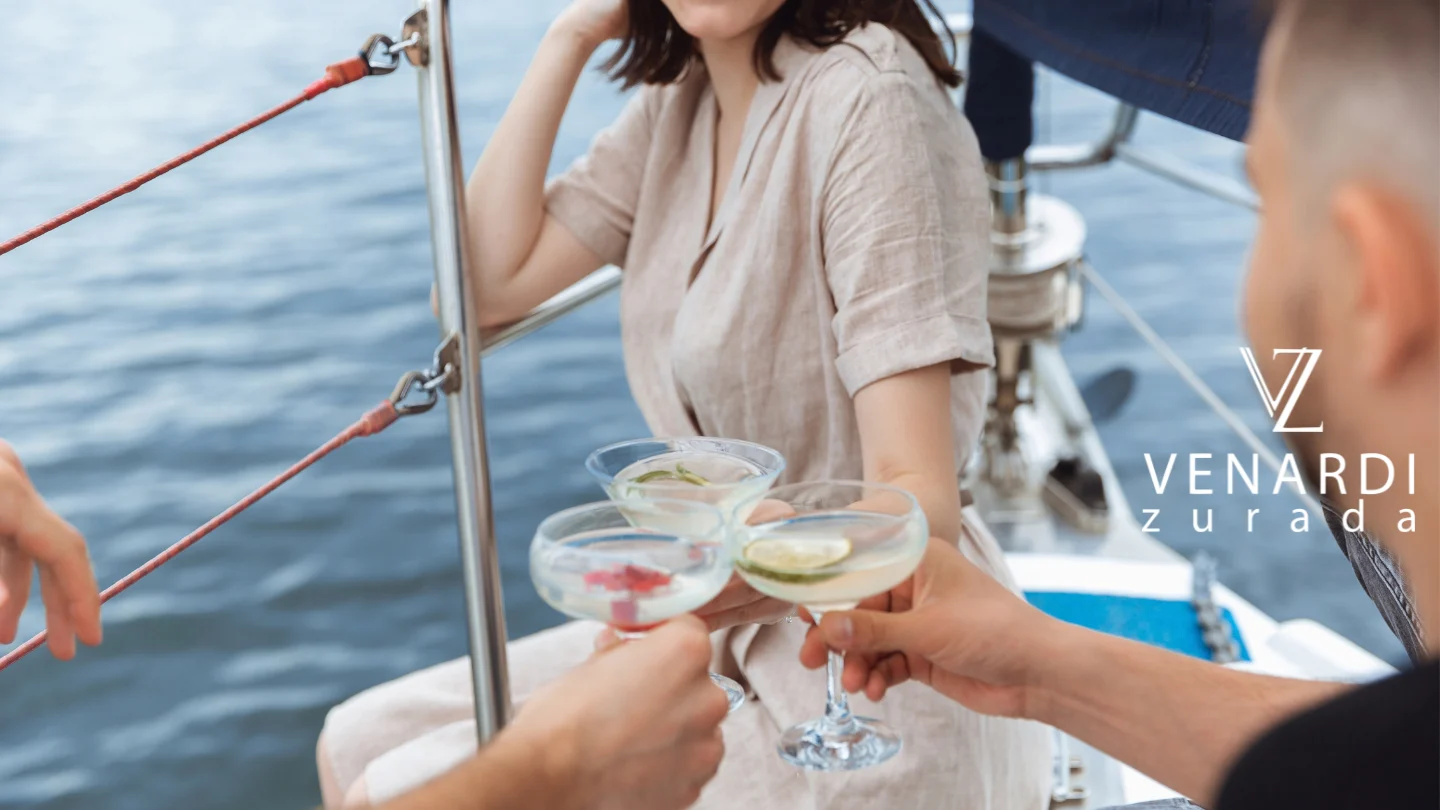

Alcohol is legal on recreational boats in California, but excessive drinking and operating a watercraft under the influence can lead to criminal consequences. If a boating accident occurs and results in injuries, civil liability can become a separate issue, raising questions about who may be responsible for the injured person’s damages.
If you or a loved one was injured in a boating accident involving alcohol, Venardi Zurada can explain your legal options and help you pursue the compensation you need for recovery. Contact us today for a free consultation.
How Do Boating Conditions Change the Effects of Alcohol?
Conditions often experienced while on the water can intensify the effects of alcohol, impairing judgment and increasing the risk for accidents.
Heat, wind, sun exposure, and physical exertion can contribute to dehydration and fatigue while you are on the water. These conditions can make you feel more tired and less alert, which can compound the effects of alcohol.
For operators, alcohol-related impairment can reduce peripheral vision and slow reaction times. It can also affect depth perception, making it harder to judge distances to docks or swimmers. Impaired operators may also have difficulty reading navigation markers.
Passengers may have greater difficulty maintaining balance, increasing the chance of slipping or falling overboard. Impaired judgment can lead to unsafe choices. If a passenger enters cold water, alcohol may increase the risk of hypothermia or drowning.
Is it Legal to Consume Alcohol While on a Boat in California?
Can the Operator of the Boat Be Drinking?
California’s Harbors and Navigation Code prohibits anyone from operating a boat or water vessel while under the influence of alcohol or drugs. The blood alcohol concentration (BAC) limits vary depending on the type of operator:
- Recreational operators: 0.08% BAC or higher
- Commercial operators: 0.04% BAC or higher
- Operators under 21: 0.01% BAC or any measurable alcohol
For operators 21 and older, a Boating Under the Influence (BUI) conviction may result in a fine of up to $1,000 and up to six months in jail. Operators under 21 may face fines for violations and could also be required to complete an alcohol education or community service program.
Alcohol use by operators or passengers contributes to about 25% of fatal motorboat accidents in California, according to California State Parks. The agency also identifies BUI as the leading contributing factor in fatal recreational boating accidents.
Can Passengers on the Boat Drink?
Yes, passengers age 21 and older generally can possess an open container and consume alcohol on a boat in California.
Passengers still need to drink responsibly. California Penal Code Section 647(f) makes public intoxication a misdemeanor offense when a person becomes so intoxicated that they cannot safely care for themselves or others, or when their behavior interferes with the safe navigation of the boat.
What Responsibilities Exist in California When Alcohol and Boating are Combined?
When alcohol and boating mix, California expects everyone on board to act to help keep the vessel and surrounding waterways safe. The operator bears primary responsibility because they control the vessel and its movement. Passengers also have a role, especially when their choices could affect the operator’s ability to navigate safely. These responsibilities can also affect liability in a California boating accident if someone is injured and seeks compensation.
What Responsibilities Fall on the Boat Operator?
The captain has the primary responsibility for the safety of everyone aboard and everyone sharing the water. California law prohibits boating under the influence, and a BUI that causes bodily injury can be a “wobbler” offense. This means prosecutors can charge an offense as either a misdemeanor or a felony, depending on the circumstances.
In a civil personal injury case, operating under the influence may support negligence per se when the legal requirements are met. This can make it easier for an injured person to establish that the operator violated a required safety standard.
What Responsibilities Fall on the Passengers?
Passengers must avoid behavior that interferes with safe boat operation. They should not distract the operator or interfere with the controls. They also should not encourage illegal maneuvers or pressure the operator to take unnecessary risks.
In a civil case, California’s comparative negligence may affect an injured passenger’s compensation if their conduct contributed to the accident or their injuries. They may still recover damages, but the amount will be reduced by their assigned percentage of fault.
For instance, a passenger who knowingly gets on a boat with a visibly drunk captain may be accused of contributing to their own injuries by accepting a known danger. Similarly, a passenger may face more liability if they were behaving unsafely while intoxicated on the boat.
What You Should Do If Alcohol Was Involved in a Boat Accident Where You Were Hurt?
If alcohol may have played a role in the boat accident that injured you, take steps to preserve evidence and document what happened:
- Call emergency services: Get medical help and ask law enforcement or harbor patrol to respond.
- Request a BUI investigation: Ask officers to investigate possible alcohol impairment and consider appropriate breath or blood testing.
- Document the scene: Take pictures and video of open containers, beer cans, your injuries, the boat, and the wreckage before anything is removed or discarded.
- Submit a report: If you are the vessel operator, you must report the accident to California State Parks’ Division of Boating and Waterways (DBW) within 48 hours of the accident if it involves injury beyond first aid, the disappearance of a person, or death.
- Consult a lawyer: A lawyer can investigate the accident, determine whether you have grounds for a personal injury claim, and pursue compensation on your behalf.
Contact Venardi Zurada for a Free Consultation with a California Boat Accident Lawyer
If you were injured in an alcohol-related boating accident, you don’t have to figure out what comes next on your own. Contact us online or call (833) 893-6763 for a free consultation to learn about your legal options.
At Venardi Zurada, our seasoned boating accident lawyers have recovered millions of dollars for injured accident victims. Whether you were injured on a commercial ship, a recreational water vessel, a sailboat, or a cruise ship, our California boat accident lawyers are ready to hear your case. You pay nothing unless we recover compensation for you.